Settling credit card debt: You sit there after another long day, maybe after dropping off your last DoorDash order or finishing your shift at the warehouse, and the mail or the app notification hits you again. Another credit card statement. The balance has not gone down much, even though you have been paying what you can. Rent is due, gas prices are still crazy, groceries cost more every week, and those minimum payments feel like they are just feeding the interest monster. You wonder how you are supposed to keep going like this.
I understand how it feels. You are not alone in this. Millions of people across the United States are carrying heavy credit card balances right now, with the total sitting over 1.28 trillion dollars at the end of last year. The average person holding a balance is looking at somewhere around six to eight thousand dollars. It is not because you are bad with money. Life just piles up. A job change, medical bills, car repairs, or just trying to cover everyday things when your 9 to 5 or gig work does not stretch far enough.
Settling credit card debt might feel out of reach, but I have seen regular folks, people just like you, make real progress in 2026. Not by magic, but by facing it honestly and taking steps that fit their actual life. This is not some quick fix story. It is about understanding what really works right now, what to watch out for, and how to start without feeling more overwhelmed. By the time you finish reading, you will have clearer ideas you can actually use, even if your credit is not great and money feels tight.
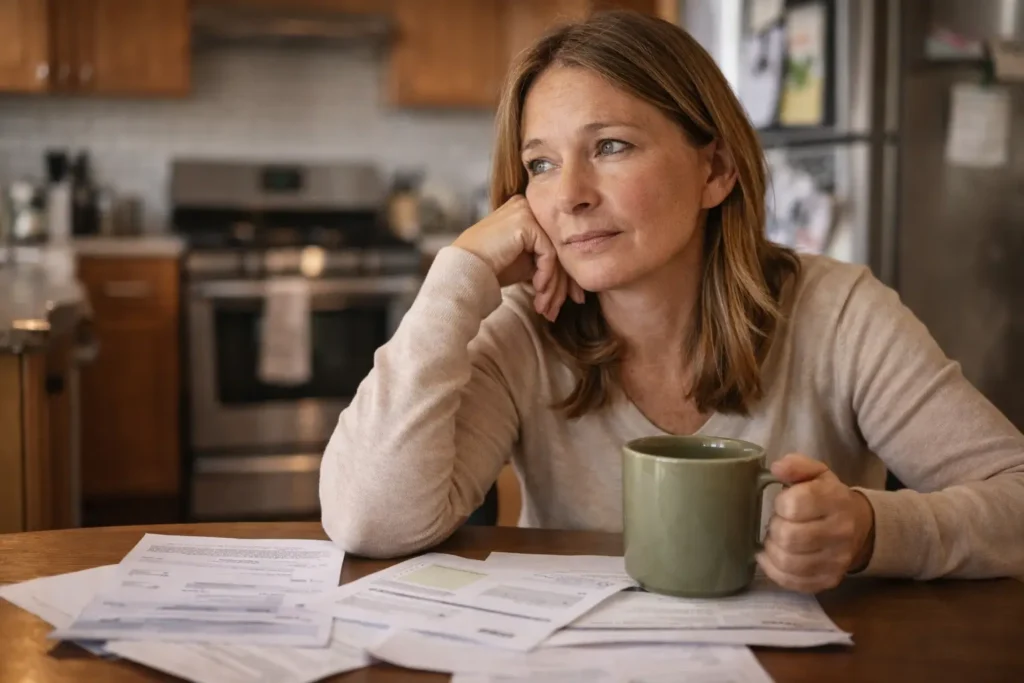
That Heavy Feeling When the Numbers Do Not Add Up
There is something lonely about credit card debt. During the day you push through your job or side gigs, smiling when you need to. But at night, the worry sits with you. Will this Uber run cover the interest this month? Can I skip eating out again just to stay current? I have talked to so many people who say the same thing. The stress affects sleep, relationships, even how you show up for your kids.
You might be feeling stuck right now, scrolling late at night, hoping for some relief. The truth is, a lot of us have been exactly where you are. With interest rates staying high, those balances grow fast if you only pay the minimum. But here is what I wish someone had told me earlier: admitting it is heavy is the first real step. Once you stop pretending it is fine, you can look at options that actually match your situation instead of just surviving month to month.
The Honest Truth About Free Government Credit Card Debt Forgiveness Programs
Let me speak plainly because false hope only makes things worse. As of 2026, there is still no broad free government credit card debt forgiveness program that simply erases your balances the way some federal student loan programs have done in the past. The government does not have a program that forgives credit card debt like that. I know hearing that can feel disappointing when you see ads promising quick relief.
What does exist are rules that protect you from unfair practices and some nonprofit credit counseling that gets support. But the real help usually comes from the card issuers themselves through hardship programs or negotiated settlements. Chasing something that is not there can waste time or lead to shady offers. Knowing this clearly helps you focus on what can actually move the needle for your life right now.
Your Real Options When the Payments Feel Impossible
When the minimums barely make a dent and the stress is constant, you have a few practical paths that people are using right now. Many major issuers like Chase, Bank of America, Citibank, Discover, American Express, and others quietly offer hardship programs. You call them, share your situation with some proof like job loss documents or medical bills, and they might temporarily lower your interest rate, waive late fees, or reduce the monthly payment for a set number of months. It is not full forgiveness, but it creates breathing room while you figure out next steps.
Then there is debt settlement, often what people mean when they talk about settling credit card debt. You negotiate to pay less than the full amount, usually a lump sum or payments over time, and the creditor forgives the rest. This tends to work better once you are behind on payments, because the issuer sees that full repayment might not happen. You can do this yourself or work with a reputable company if your unsecured debt is higher, often starting around seven or eight thousand dollars.
Even with bad credit, settling credit card debt with bad credit happens every day. Your score might drop more during the process from late payments or the settled status, but many people start rebuilding once the burden lifts and they have extra cash flow each month.
The most important thing is matching the option to where you actually are. Are you just starting to struggle or already deep in it? Do you have a little savings or nothing extra? Being honest about that helps you choose wisely.
How to Negotiate Credit Card Debt Settlement Yourself in 2026
You do not always need to hire someone to speak for you. Plenty of regular people negotiate directly with their issuers and get results. Here is how it often plays out right now.
Start by getting clear on your numbers. Write down each card, the balance, interest rate, and how far behind you are if at all. Pull your credit report to check for mistakes.
Then begin setting aside even a small amount each month from your gig work or paycheck. Creditors listen more when you can show you have some cash ready.
When you call, stay calm and honest. Something like, “I am dealing with real hardship right now and cannot pay the full amount. I have this much saved and want to settle the account.” Have proof ready, like pay stubs showing your situation or medical bills.
They might say no at first. That is common. Stay respectful and ask for the hardship or settlements team. Some people note the call details for their records. If they agree, get every detail in writing before you send any money. The letter should clearly say the account will be considered settled once you pay the agreed amount.
It can feel scary picking up the phone. Your hands might shake. That is normal. You are carrying a lot. But each conversation is a step toward lighter days.
Settling Credit Card Debt With Bad Credit What Actually Happens
If your credit is already rough, settlement can still be realistic, especially on accounts that are delinquent. Some issuers are more willing because they know collection might be harder. But yes, the process usually hurts your score further in the short term.
Focus first on hardship programs if you are not too far behind. They often do less damage to your credit. For older debt in collections, negotiation for a lump sum becomes more possible.
After settlement, many people rebuild by using secured cards, paying small bills on time, and keeping utilization low. One guy I know in Michigan who drove for rideshare had bad credit from medical issues. He negotiated two smaller cards himself after saving from extra shifts. The score dipped, but within a year he felt more in control because the interest payments stopped draining him.
It is not fast or perfect, but it is doable.
Maria worked in retail in Georgia and was raising two kids alone. Rent kept climbing, and her cards grew after unexpected car repairs. She was making minimums but seeing no progress. In late 2025 she called her issuers, shared her situation with proof of her hours and bills, and one put her in a hardship program that lowered her rate for several months. She used that extra room to negotiate settlement on another card, paying around forty percent of what she owed from money she saved slowly. By early 2026 she had those two accounts behind her and could sleep without the constant knot in her stomach.
Then there is Robert, a warehouse worker in Pennsylvania who also did some DoorDash on weekends. Bad credit from a stretch of lower hours. He felt nervous calling but started with one smaller card. He offered a lump sum he had put aside and they settled. That small win gave him courage to keep going on the others. He did most of it himself, just being honest about his income ups and downs.
These are not made-up stories. They are people who felt exactly the pressure you might feel today. What they shared was starting small and staying consistent even when it was uncomfortable.
Adding Side Income Without Burning Out While You Work on the Debt
While you tackle settling credit card debt, keeping some cash flow is key. Many people add smart gig work or freelancing without killing themselves. If you already drive for Uber or deliver food, maybe you add a few focused hours. Or if you have skills, try simple freelancing online.
The point is not to hustle until you drop. It is to create a little buffer so you are not adding more debt just to live. Even an extra couple hundred dollars a month can help build that settlement fund or cover basics without panic.
I have seen folks start by selling things they do not need or offering local help. Every bit counts when you are negotiating because it shows you are serious about resolving things.
Protecting Yourself and Knowing What to Expect
Be careful with companies that promise the world. Legitimate debt settlement usually takes time, often two to four years, and fees run around fifteen to twenty-five percent of the enrolled debt. Stopping payments to build a settlement fund will affect your credit temporarily, and creditors might still call or even sue in some cases.
Also, the forgiven amount is usually considered taxable income by the IRS, so you might get a 1099-C and need to plan for that when you file. It is not always a huge bill, but talk to someone who knows taxes in your situation.
If your debt is more manageable, nonprofit credit counseling could be a gentler path. They sometimes negotiate lower rates through a debt management plan without the same credit hit.
Ask yourself quietly: What is really stopping you right now? Is it fear of those phone calls? Not knowing where to start? Or just feeling too tired to take the first step? Have you pushed through tough spots before, even smaller ones? That same strength is still there.
Starting Small Today So Tomorrow Feels Lighter
You do not have to fix everything this week. Maybe today you just list out your debts clearly. Tomorrow you call one issuer to ask about their hardship options. Small honest steps add up when you keep showing up.
In 2026, with balances still high for so many, acting when you can saves money on interest over time. But even more than the dollars, it is about getting some peace back. Waking up without that constant weight.
Your life is bigger than these numbers. You have people who care about you, moments that matter, and days ahead that can feel easier.
My warmest salute to you for reading this and still caring enough to look for a way forward. My strong salute to your courage in facing this even when it feels heavy. You are not alone, and you are stronger than the debt makes you feel.
Keep taking one real step at a time. 2026 can still be the year things start shifting for you.
FAQs
1. Is there a free government credit card debt forgiveness program available in 2026?
No, there is no broad federal program that forgives credit card debt. Relief comes mainly through issuer hardship programs or private settlement negotiations, not government forgiveness.
2. How can I start how to negotiate credit card debt settlement myself?
Gather your account details, save a small settlement fund, call the issuer honestly about your hardship, ask for the settlements team, and always get the agreement in writing before paying.
3. Is it possible to settle credit card debt with bad credit?
Yes, especially on delinquent accounts. Your score may drop more during the process, but many people rebuild afterward once the high-interest payments stop.
4. What are hardship programs for loans and credit cards?
These are temporary helps from issuers that can lower interest rates, waive fees, or reduce payments during tough times like job loss or medical issues. You need to call and explain your situation with some proof.
5. Will settling my credit card debt hurt my credit score?
It usually does in the short term due to missed payments or settled status. Long term, being free of the debt often helps as you free up money for on-time payments elsewhere.

Richard Patterson is the founder of Payoff Hustle. With over 8 years of experience in personal finance and online income, he has helped thousands of people build profitable side hustles while working full-time jobs.